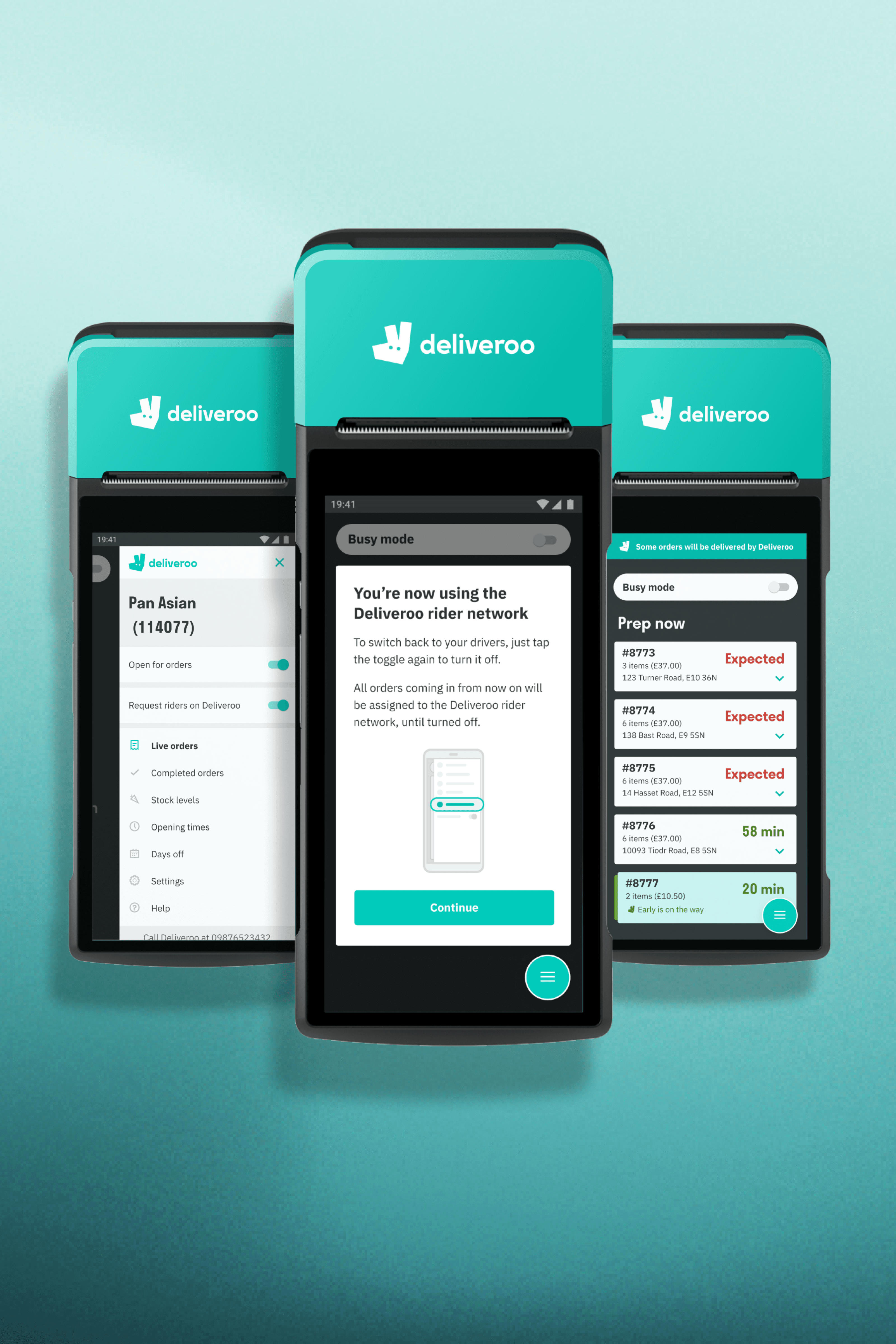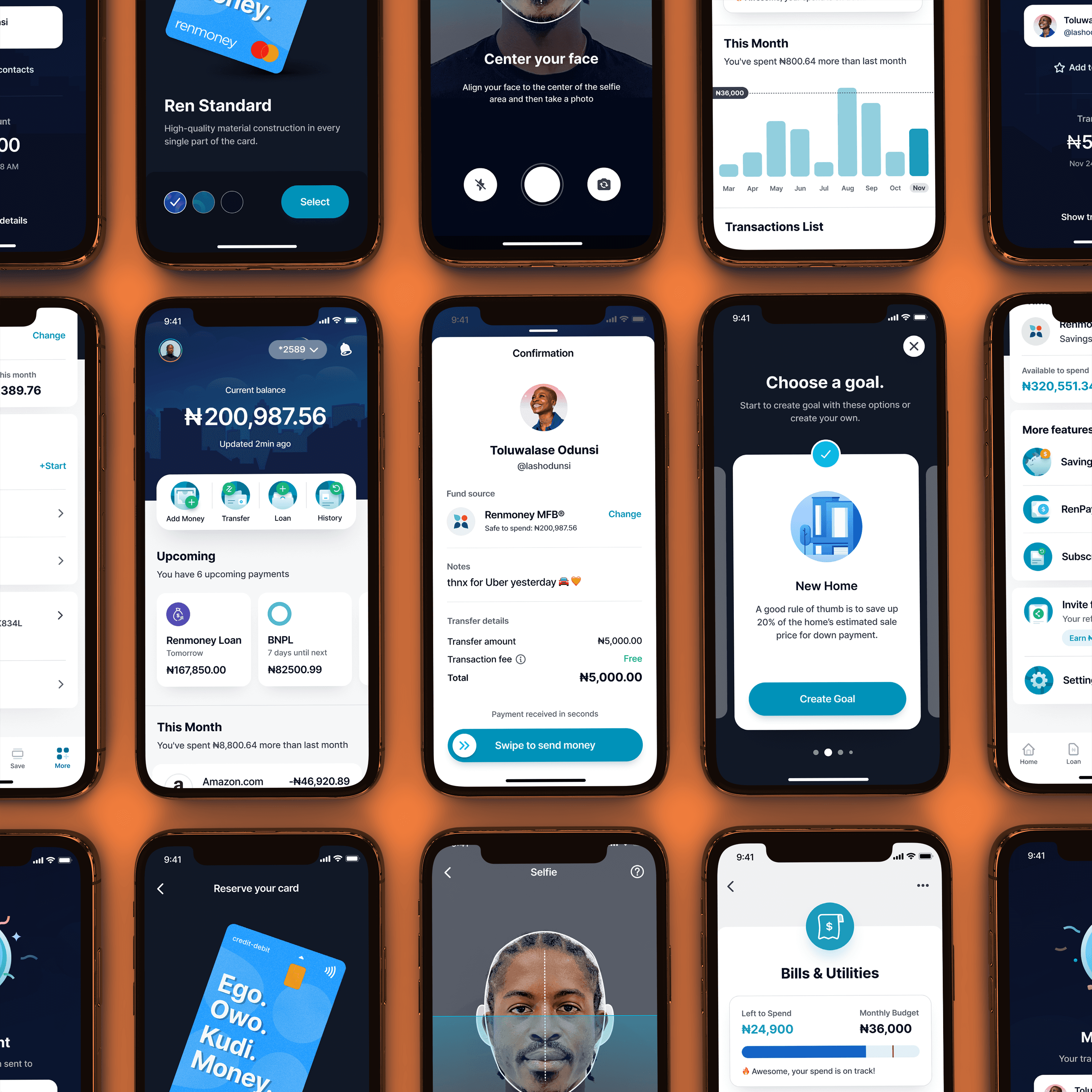
27% improvement in loan application completion, from ~60% to ~87%
92% customer satisfaction across the full app
43% of users had no prior digital banking experience
90%+ design system adoption across 3 product squads
Renmoney's loan application flow was technically functional — every screen worked, every input validated, every error state existed. But completion rates told a different story. Users were starting applications and not finishing them. The product team had deprioritised investigation because the system was working.
I pushed to understand what was actually happening before building anything new. That decision changed everything about what we shipped.
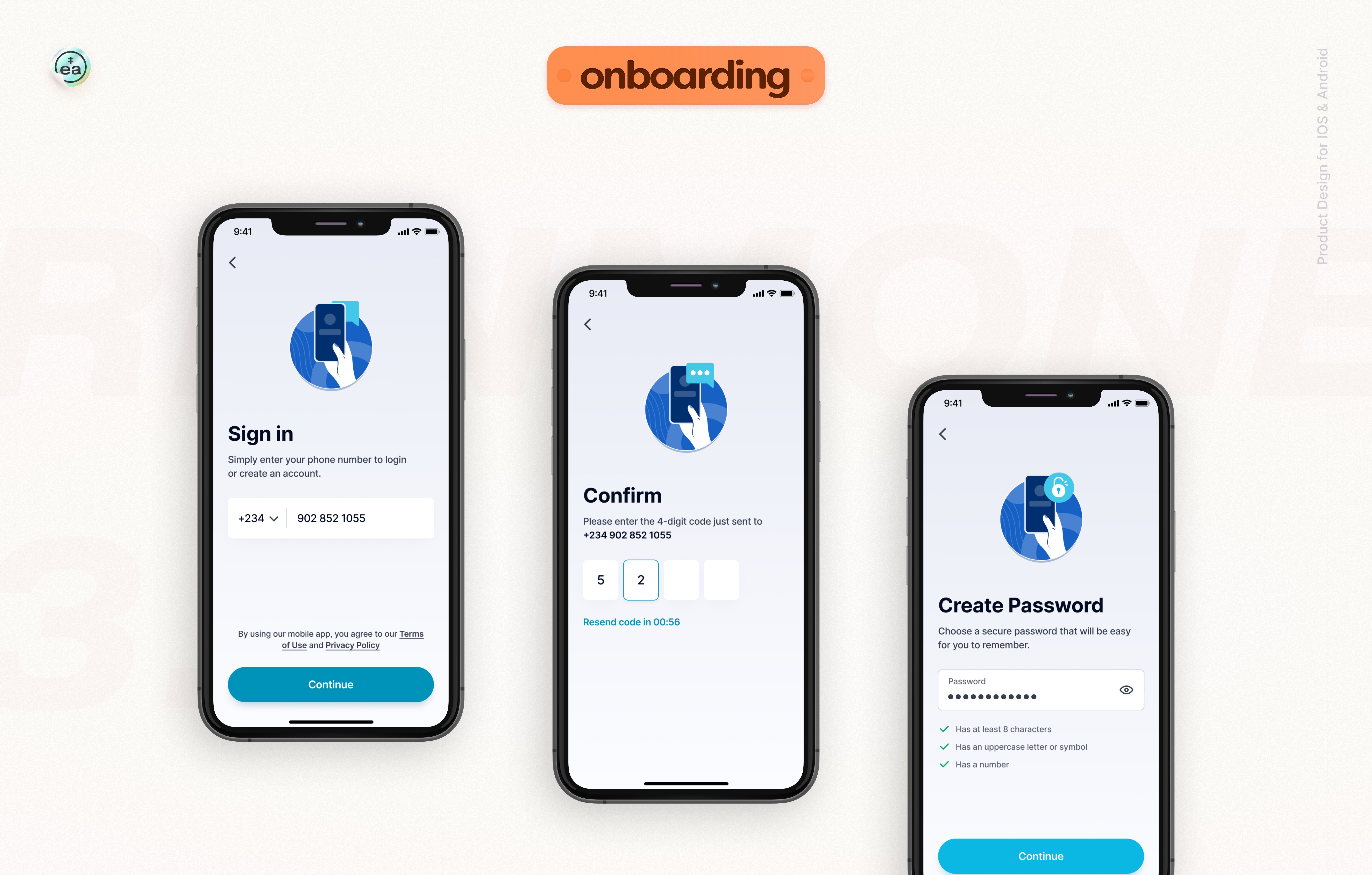
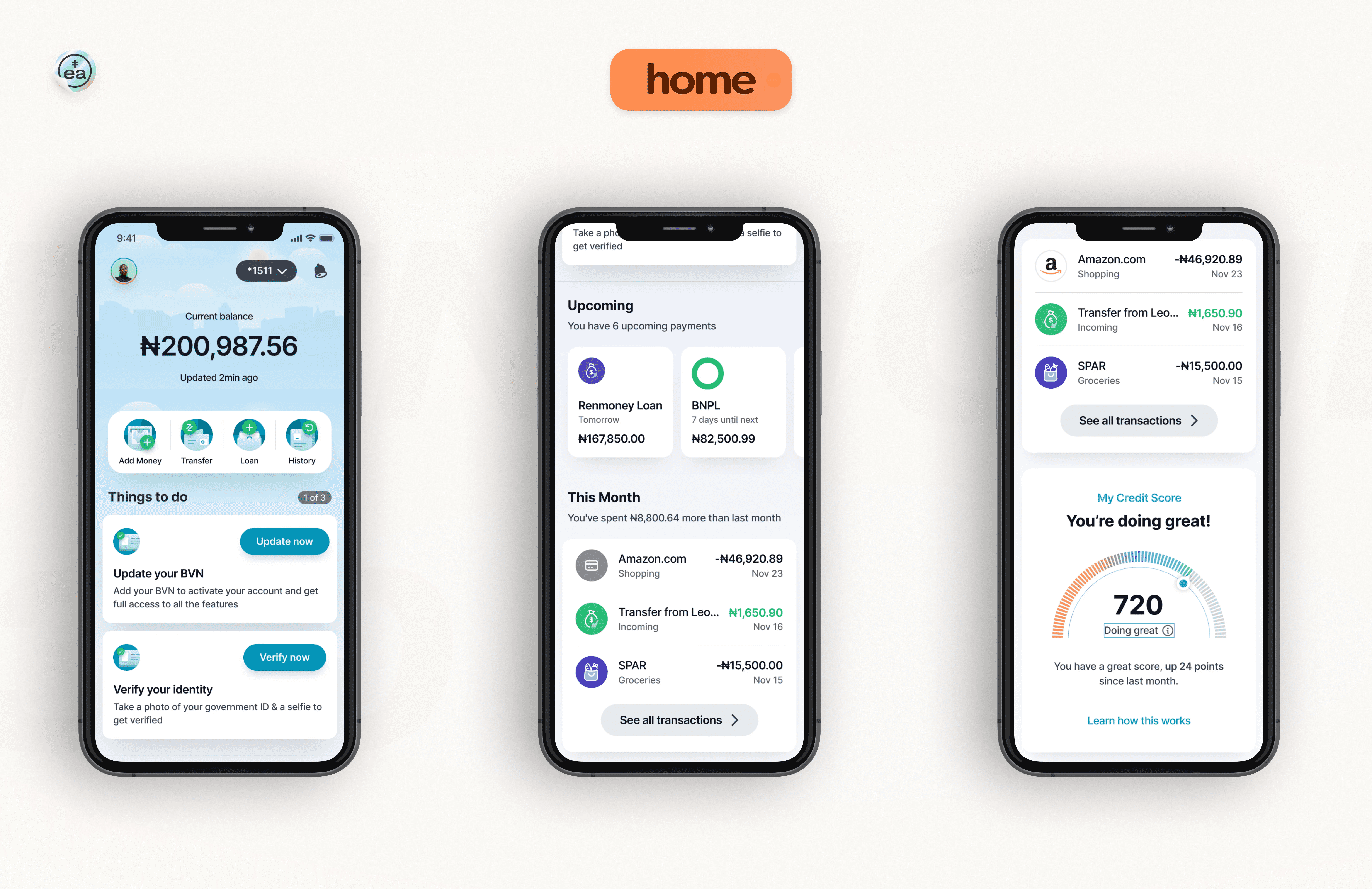
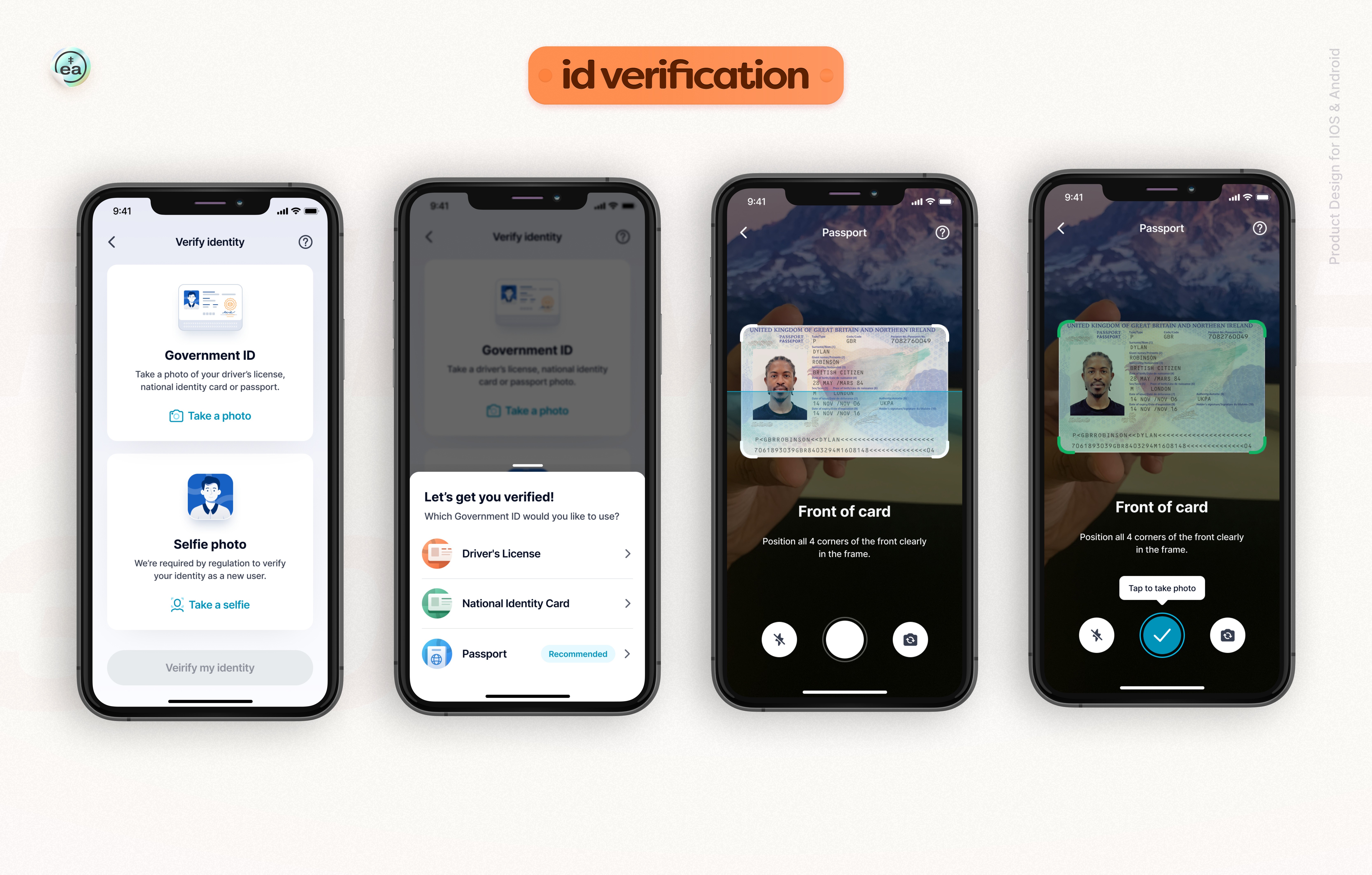
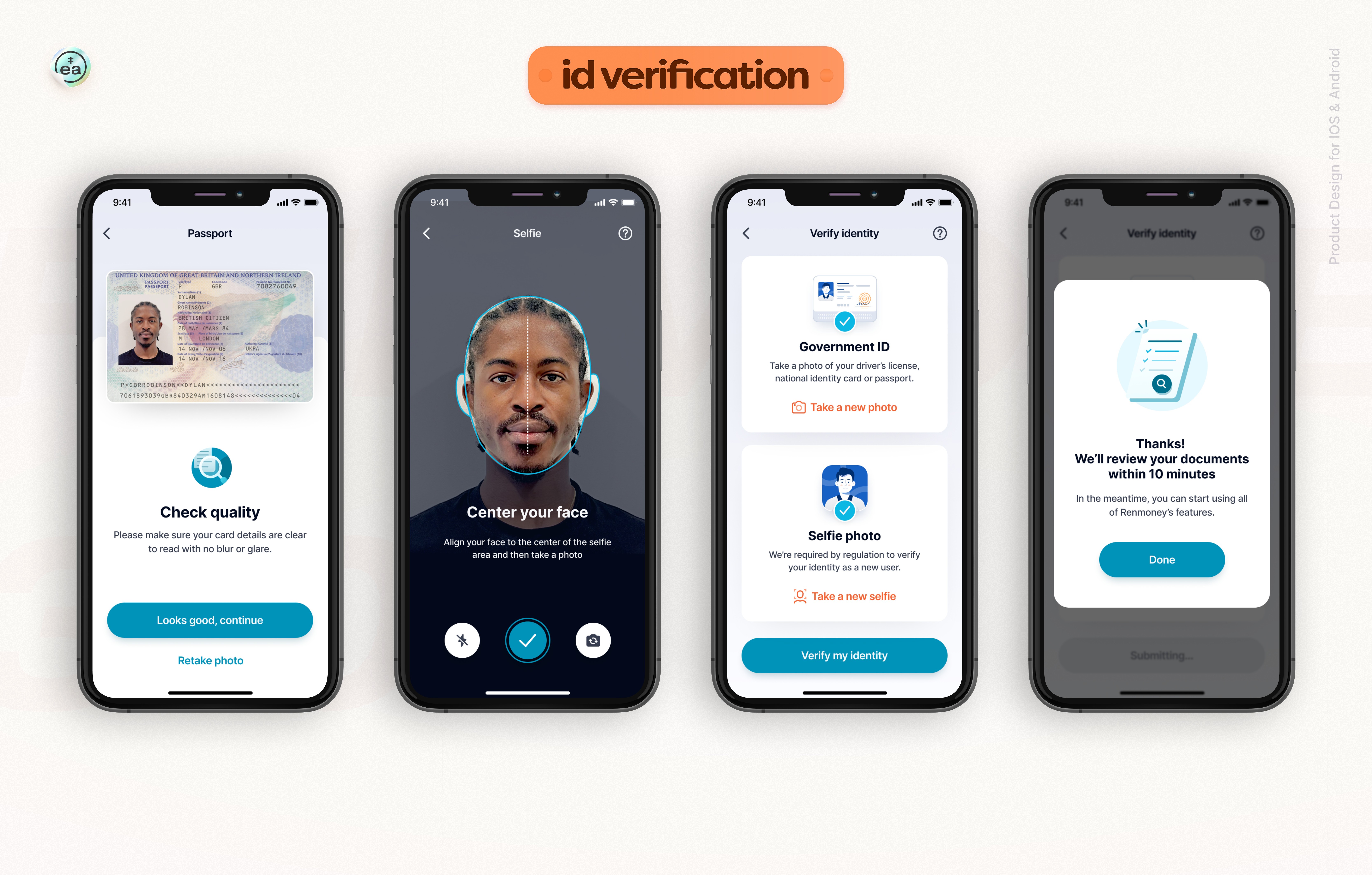
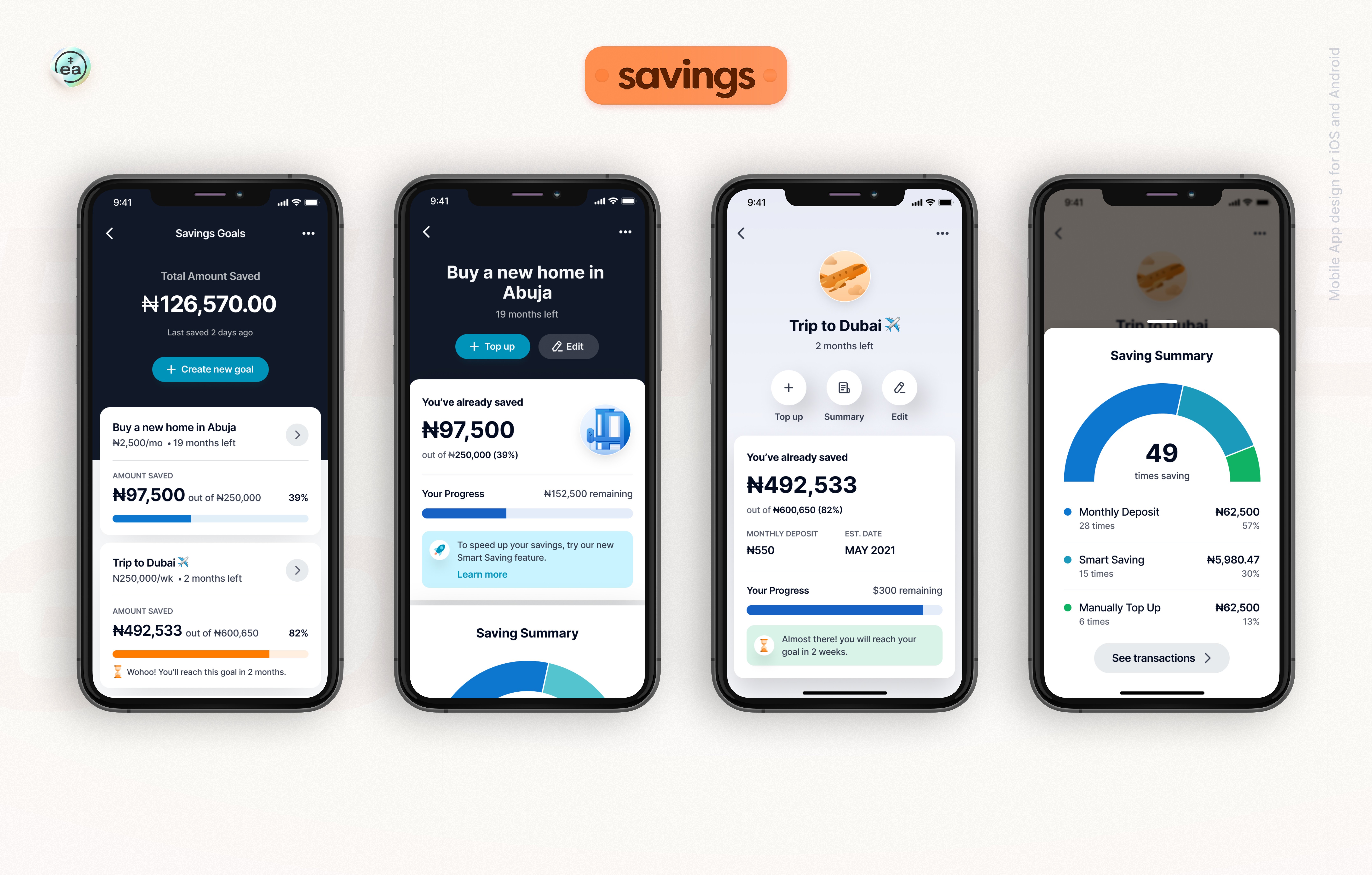
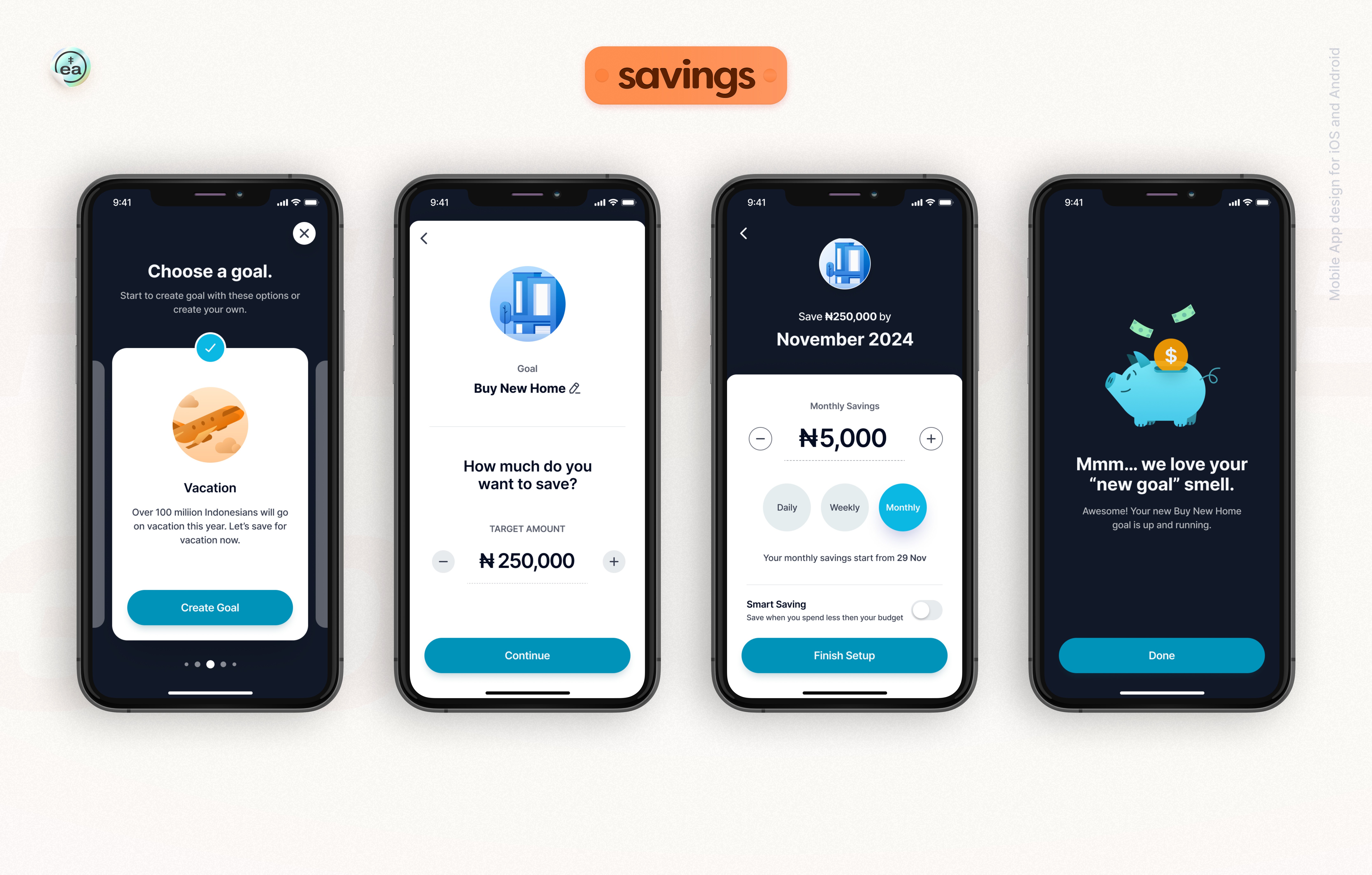
I combined two data sources: Fullstory session recordings to identify exactly where users were dropping off, and qualitative interviews with people who had abandoned mid-flow. The pattern was consistent.
Users weren't stopping because fields were broken or confusing. They were stopping at the affordability section (income and expense declaration), because the language felt like a test they could fail. The copy was written for compliance reviewers, not applicants. It framed the interaction as an assessment rather than help.
The design question became: how do you collect everything you legally need — BVN, employment history, bank account, government ID, utility bills — without the experience feeling like an interrogation?
01 Branch the flow by user type, not form logic
The original flow forced everyone through identical steps. Employed users answered questions about business ownership; self-employed users hit salary date fields. I designed an early branch — employed vs. self-employed — routing users into paths relevant to their situation. Same regulatory outcome, different experience.
02 Reduce perceived effort without removing required steps
I couldn't remove mandatory fields. But I could change how they felt. Progressive disclosure replaced long stacked forms. Contextual helper copy explained why each piece of information was needed. NIN auto-retrieval removed manual entry at the most frustrating step — government ID lookup.
03 Design for async honestly
Bank statement processing and document review are slow by necessity. The original flow showed a spinner with no context. I replaced it with honest time estimates, a return-to-home option, and in-dashboard status updates so users could leave and come back without assuming the app had crashed.
04 Make the offer moment feel earned
The loan offer screen is the highest-stakes moment in the flow. The original presented it as a flat list of terms. I redesigned it to lead with the approved amount as a hero, with an interactive duration picker that shows how monthly payments change in real time. The decision moment should feel informed, not overwhelming.
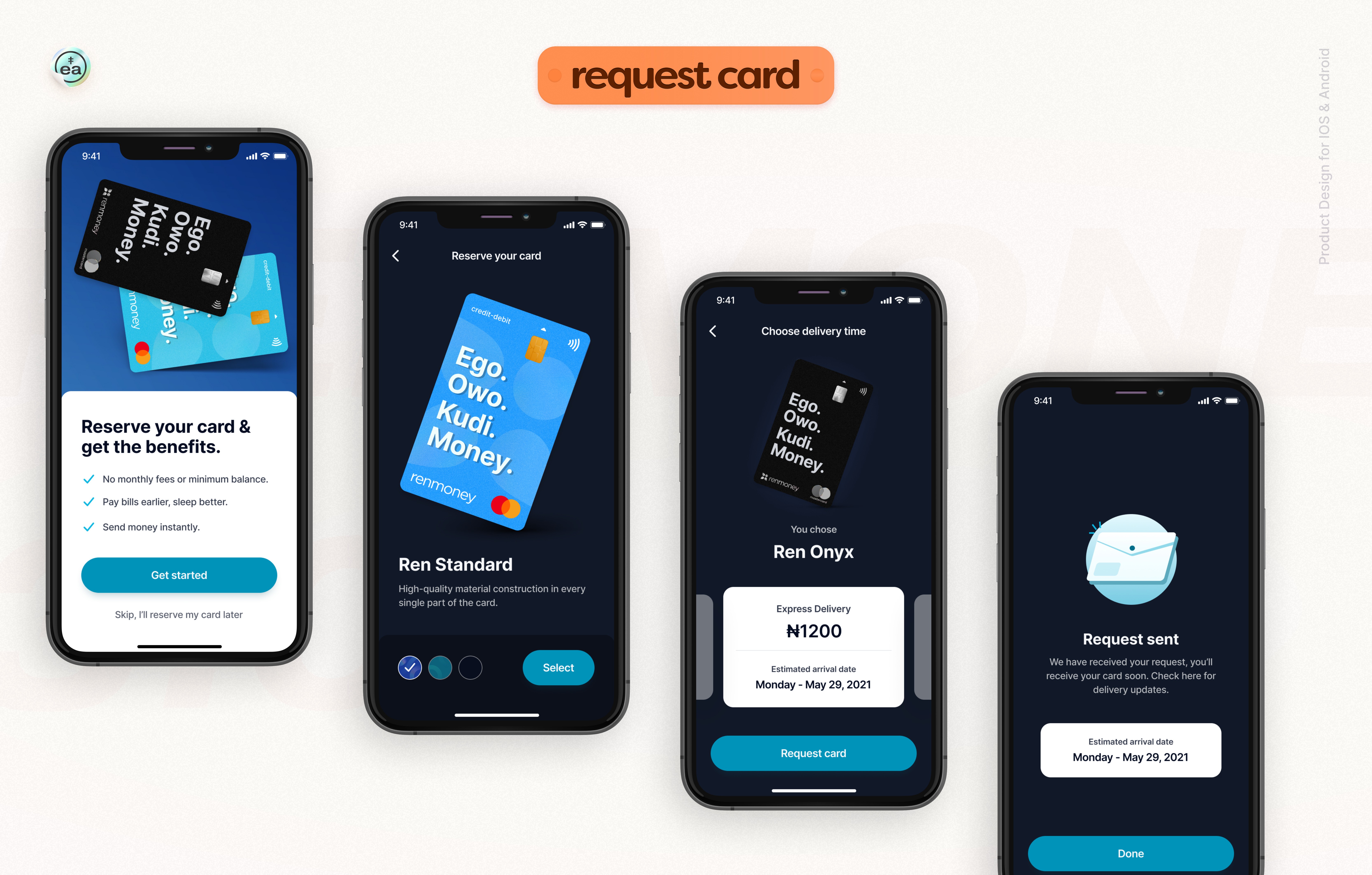
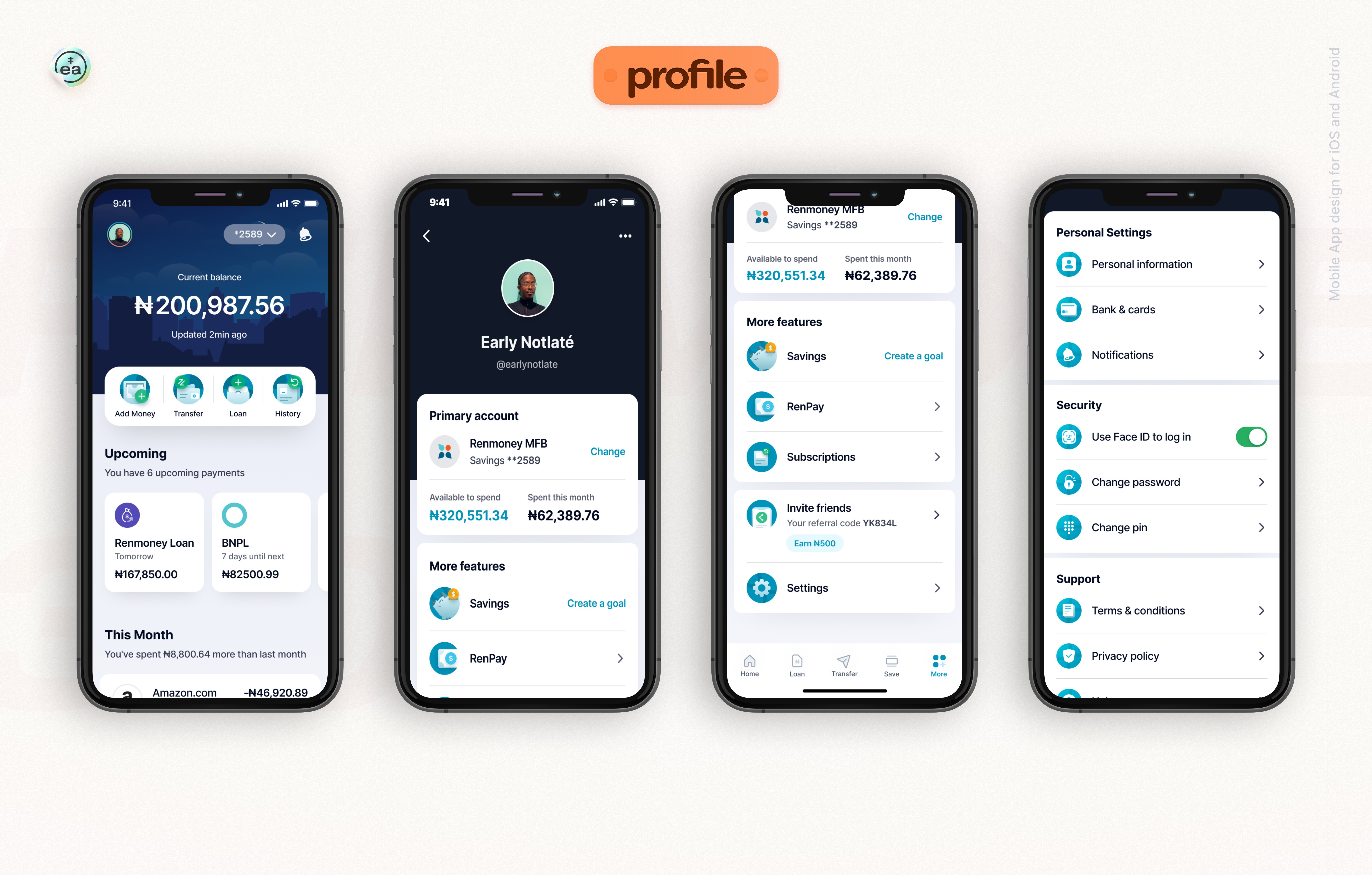
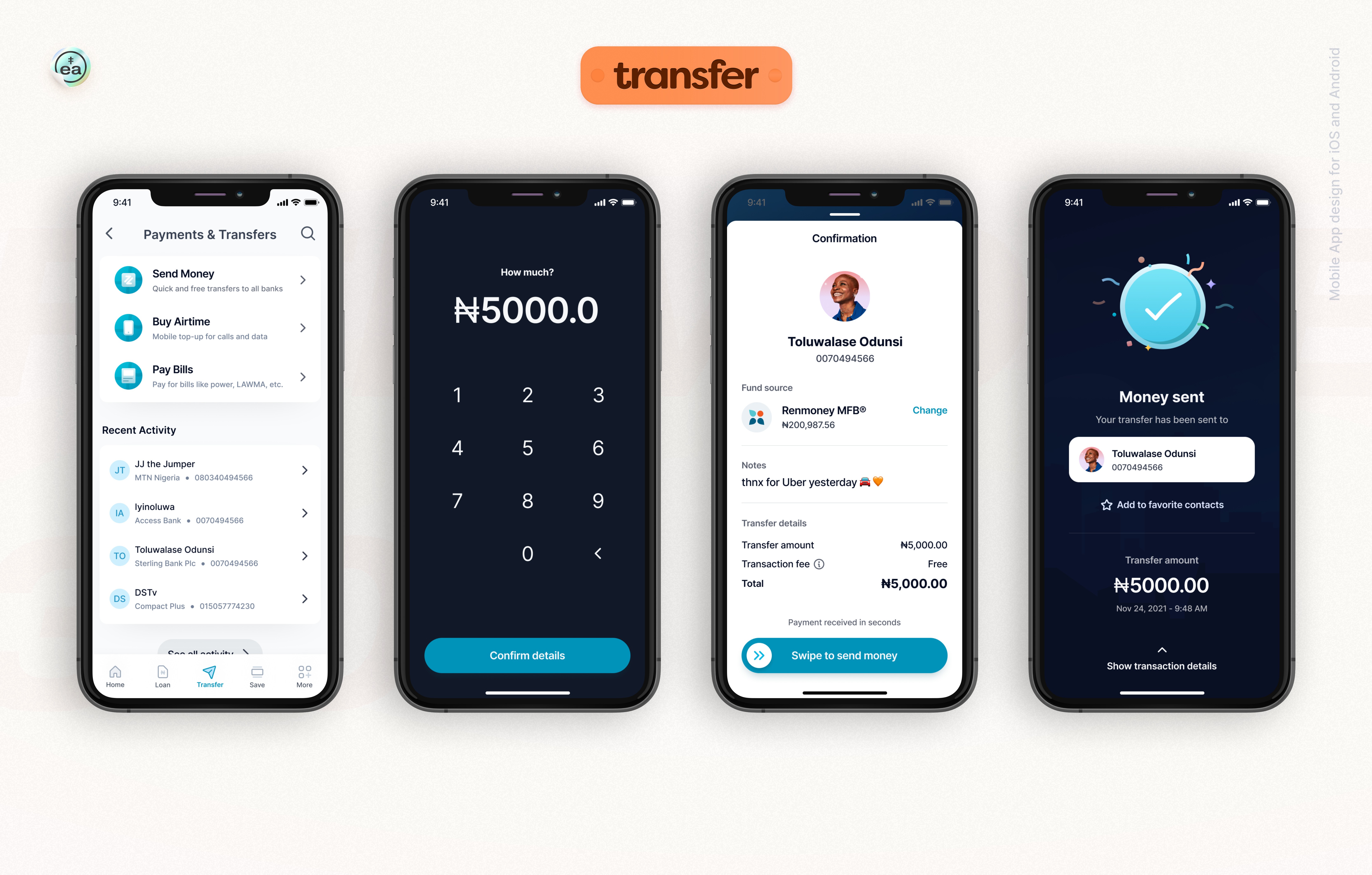
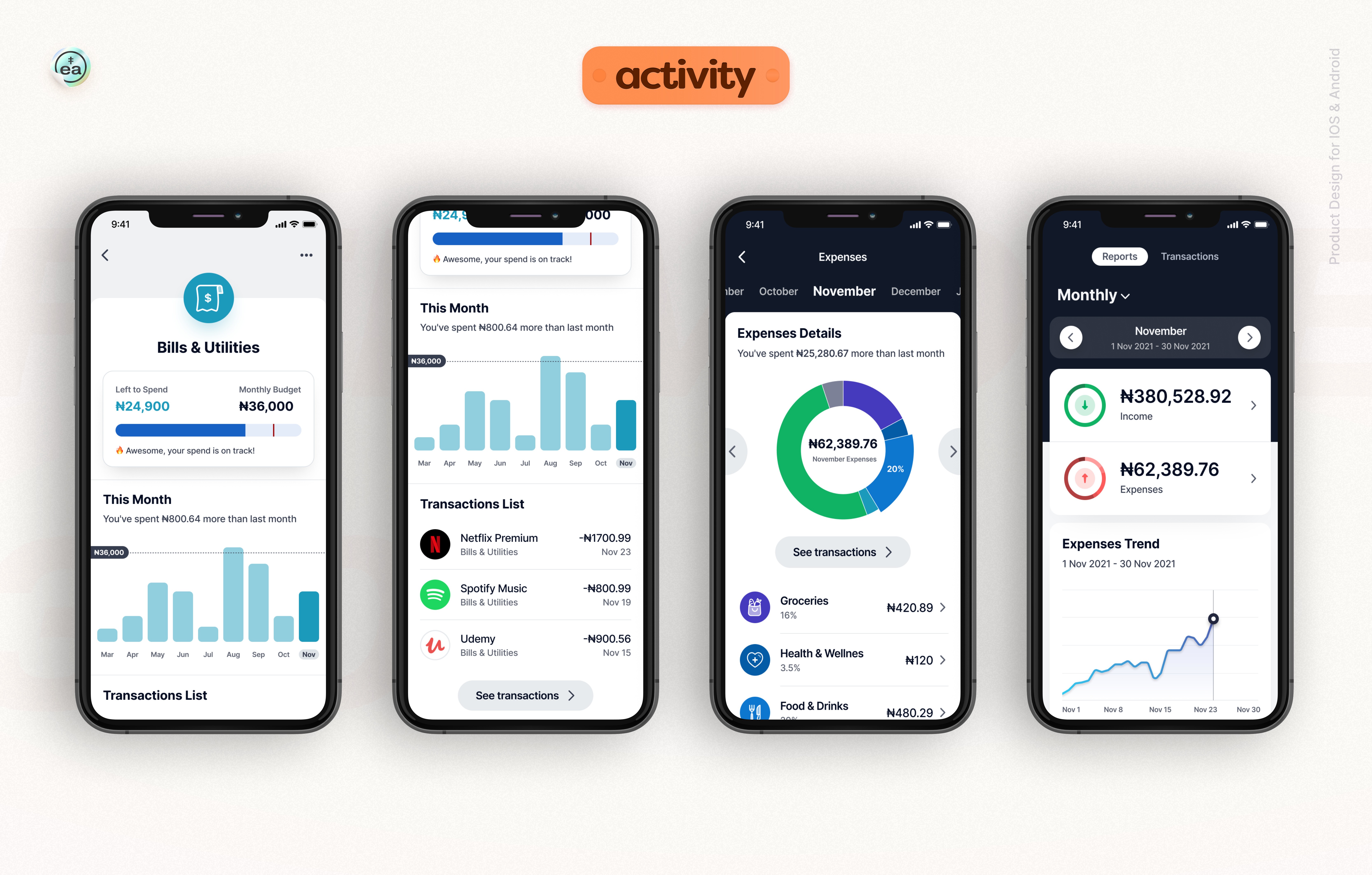
Loan application completion improved from roughly 60% to 87% — a 27% lift. That's the number I track because it's the only one that connects directly to the business outcome. A completed application is the only thing that can become a funded loan.
The secondary finding was equally important: completions from the redesigned flow had lower default rates. Users who understood what they were committing to were better matched to the product. Better UX didn't just improve conversion — it improved loan quality.
Compliance language is a design problem.
The drop-off wasn't caused by broken inputs. It was caused by copy that made users feel like they could fail. Changing the framing changed the conversion.One metric beats several.
Completion rate is the number I track because it's the only one that connects directly to the business outcome. Everything else is context.Async is a product design decision.
How you handle waiting states determines whether users trust the system or assume it broke. Getting this right meant being honest about time, not optimistic.
If I could redo one thing: I'd push harder for cohort-level analytics from the start. We had strong before/after data on completion rates, but I wanted a richer signal on which specific screens drove the most improvement. The A/B test on the affordability section was the right call. I'd apply that rigour to more of the flow, not just the section I already suspected was the problem.
This is an abridged version of the case study. The complete version, including detailed financial metrics and outcomes, is available for discussion during interviews. Feel free to reach out below or here:
earlyattoh@gmail.com